
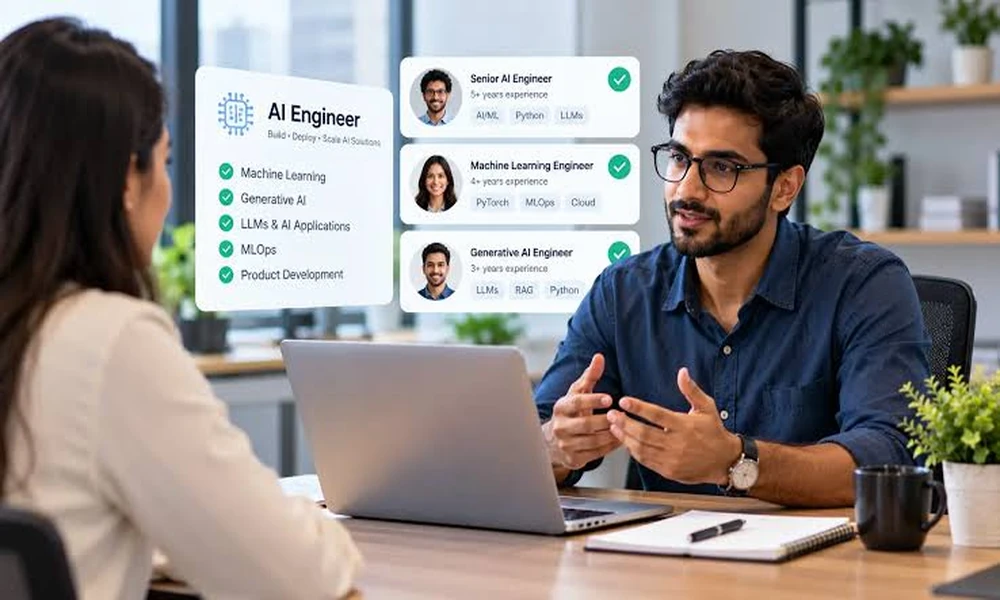
Generative AI is becoming part of everyday business operations, from customer support to content creation and data analysis. However, building AI-powered tools requires more than simply choosing the right technology.
Companies also need professionals who can develop, test and maintain these systems. Knowing when to hire generative AI engineers can help businesses avoid delays and unnecessary expenses.
Here are some situations where bringing in specialized talent makes sense.
When Your Business Is Ready to Build Custom AI Tools
Many companies start with existing AI platforms. However, these tools may not always meet specific business requirements.
If your organization wants to develop custom chatbots, automated workflows or AI-powered applications, hiring experienced engineers becomes important. They can build solutions that work with your existing systems and support business goals.
When Existing AI Tools Are Not Enough
Ready-made AI tools can handle many basic tasks, but they may struggle with complex business processes.
For example, a financial services company may need an AI system that analyzes internal documents while following strict data security requirements. Generative AI engineers can integrate models with internal data sources, implement security controls and improve application performance.
This becomes especially useful when businesses need greater control over how AI applications operate.
When Your Internal Team Lacks AI Expertise
Your existing IT team may understand software development but have limited experience with generative AI technologies.
Training employees takes time, especially when projects involve large language models, model evaluation and system integration.
Exploring innovative staffing solutions in such situations can help organizations find professionals with relevant technical experience. This also lets internal teams continue handling regular responsibilities while specialized engineers manage AI development.
When You Need to Move Projects Forward Faster
AI projects can face delays when companies spend months searching for qualified professionals. If your organization has a clear project plan and tight development deadlines, bringing in experienced engineers can help maintain progress.
These professionals can support activities such as:
- Developing and testing AI applications
- Integrating AI tools with existing software
- Improving model accuracy and reliability
- Identifying technical problems before deployment
Having the right expertise available can also reduce unnecessary trial and error during development.
When AI Projects Are Expanding
A small AI project may initially require only one or two technical specialists. However, workforce requirements often change as organizations introduce additional applications.
For example, a US-based healthcare company expanding AI tools across departments may need additional engineers for integration, testing and ongoing support.
Flexible hiring arrangements and innovative staff solutions can help businesses adjust their technical workforce as project requirements grow.
When Security and Reliability Become Priorities
Generative AI applications often process business information, making security and reliability important considerations.
Experienced engineers can help establish safeguards, test outputs and monitor system behavior. They can also work alongside security and compliance teams to address potential risks before applications reach users.
Conclusion
As businesses explore new ways to use generative AI, having the right technical expertise becomes increasingly important. Hiring experienced engineers can help organizations develop practical applications, overcome technical challenges and support expanding projects.
However, the decision should depend on business needs, available resources and project timelines.
A well-planned hiring approach allows companies to strengthen their AI capabilities while keeping development activities aligned with broader organizational goals and priorities.
