
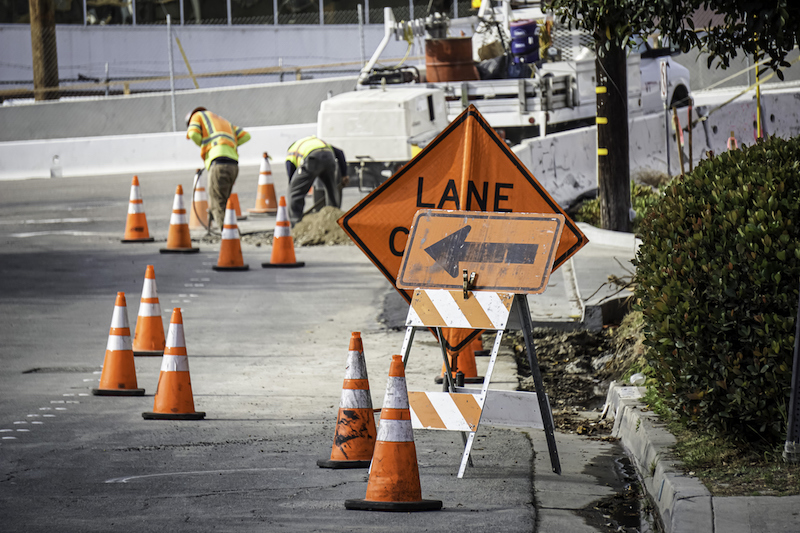
When construction work, infrastructure upgrades, parades, or emergencies occur on public roads, smooth traffic management becomes a critical concern. At the heart of that smoothness lies a carefully orchestrated partnership between traffic control services and local authorities. This coordination is vital not only for keeping vehicles moving but also for ensuring the safety of pedestrians, workers, and drivers alike.
Understanding the Roles
Traffic control services are hired to manage temporary disruptions on roads. Their responsibilities often include deploying traffic signs, flaggers, barriers, and temporary lights. Local authorities—such as city councils, municipal transportation departments, or police—are responsible for public safety, regulatory approvals, and enforcement.
These two entities cannot work in silos. Without synchronization, even a minor road closure can lead to congestion, accidents, or public dissatisfaction. Therefore, an organized collaboration is both necessary and mandated by law in most jurisdictions.
Pre-Planning and Permit Approvals
Before any road-related project begins, planning must take place. Traffic control companies usually develop a detailed Traffic Management Plan (TMP) outlining how vehicles and pedestrians will be directed. This plan includes elements like detour routes, expected delays, signage placement, and personnel deployment.
The TMP is submitted to local authorities for review. They assess whether the plan aligns with municipal regulations, emergency access needs, and broader transportation strategies. If needed, revisions are requested before a permit is granted.
In many cities, this review process also involves coordination with emergency services to ensure fire trucks and ambulances are not blocked from responding to emergencies.
Real-Time Communication on the Ground
Once operations begin, communication becomes the next pillar of coordination. Traffic control teams maintain direct contact with city dispatchers and law enforcement. If an unanticipated event occurs—like an accident, sudden crowd gathering, or weather disruption—adjustments must be made instantly.
Two-way radios, mobile apps, and command centers help bridge the communication gap. Local police officers may also be stationed at critical intersections, working side by side with traffic controllers to ensure that the public remains informed and that road safety protocols are followed.
Monitoring and Adaptive Management
Traffic patterns are dynamic, and even well-planned diversions may lead to unforeseen issues. That’s why continuous monitoring is essential. Traffic control personnel keep an eye on vehicle flow and congestion levels, often using drones, CCTV feeds, or traffic counters.
If congestion increases beyond a safe limit, changes are quickly communicated to the local traffic authority. They may authorize rerouting, signal timing adjustments, or public announcements via city-managed alert systems.
Such adaptive management ensures that disruptions are minimized and that both workers and the general public are protected throughout the project timeline.
Post-Operation Debriefs and Reporting
Once the project or event ends, a post-operation report is typically compiled. This report includes data on traffic volume, incident logs, public complaints, and effectiveness of the traffic control measures.
Local authorities use this data to assess compliance, evaluate performance, and suggest improvements for future projects. In large cities, this collaborative feedback loop has led to the adoption of smarter technologies and stricter safety protocols.
The Role of Professional Expertise
Because traffic control intersects with public safety and law enforcement, only trained professionals are trusted with the job. Certification, safety training, and local licensing are usually required before a traffic controller can work in the field.
Organizations offering these services must also maintain strong relationships with city departments to ensure swift approvals and problem resolution. One such provider known for its strong coordination practices is Salus Traffic Control services, which has built a reputation for maintaining operational transparency and safety standards in partnership with local governing bodies.
Final Thoughts
Traffic control is more than waving a flag or placing a cone. It is a high-stakes logistical challenge that depends on seamless coordination with local authorities. From planning and permitting to real-time problem-solving and post-project evaluations, both parties must work hand-in-hand. The end goal is always the same: maintain public safety, minimize disruption, and ensure that our roads remain as functional and safe as possible—even in the midst of change.
