
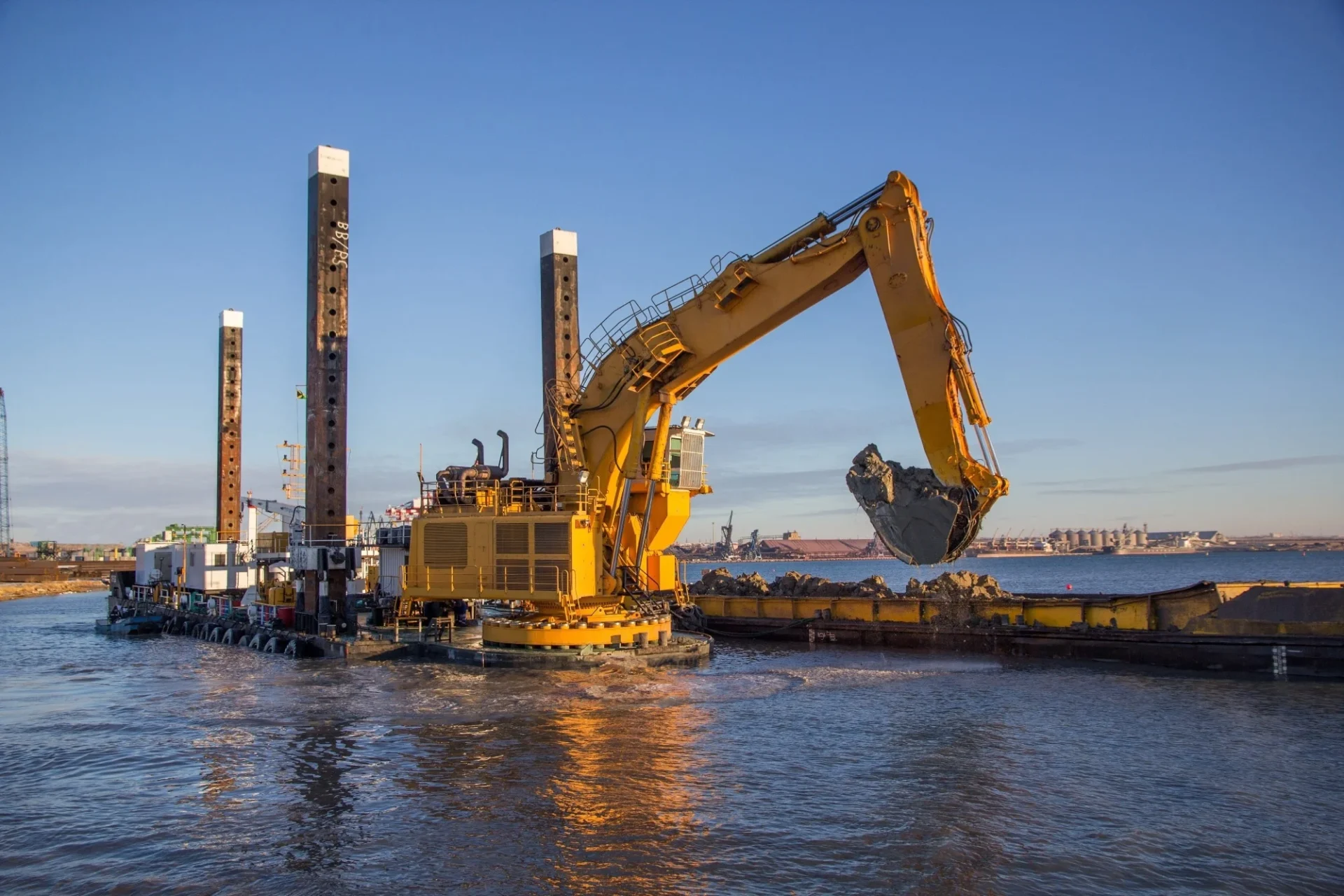
The construction in the marine field involves a unique form of engineering and construction techniques that are used for building and constructing properties and facilities in water. In contrast to regular construction work, these construction activities need to consider factors like water flow, erosion, weathering, and the presence of moisture. Marine Bulkheading New York is an example of such specialized construction facilities.
Understanding Marine Construction
Construction in marine settings is not only about the creation of structures close to the sea. It implies proper assessment of shore characteristics, depth of the water, soil type, tides, currents, and weather patterns. These factors will affect the design, construction, and maintenance of the structure.
As construction in such a setting can be especially difficult, selection of appropriate construction materials is required to ensure their durability and ability to withstand the environment. Materials such as concrete, steel, wood, rock, and others may be used. At the same time, proper planning will allow creating efficient marine structures without any negative effects on the area.
Bulkheads and Seawalls
Bulkheads and seawalls play an important role in waterfront construction. The key objective of the two structures is to secure the shorelines from the effects of erosion as a result of waves, currents, and fluctuating water levels. The bulkhead structure usually serves as the clear demarcation line between the land and water, which is helpful for securing the waterfront while ensuring the availability of functional shoreline spaces.
Similarly, seawalls can serve such a purpose, especially in places characterized by strong waves. The construction of such structures largely depends on the local conditions. For example, the engineers might take into account soil stability, water pressure, wave forces, drainage, and the life expectancy of the structure.
Concrete Seawalls
Concrete seawalls are popular choices in marine structures due to their strength and flexibility. Concrete seawalls could offer a great barrier to the land and the water, being able to operate in tough environmental conditions. Nonetheless, building concrete structures in the marine environment requires special consideration of reinforcement, foundation, drainage, and exposure, as saltwater and wetness might lead to material degradation. Moreover, the marine environment itself needs to be taken into account to ensure the protective functionality of the structure without disturbing water flow and nearby shores.
Piers and Floating Docks
Another example of marine construction is construction that allows access to water. Piers and floating docks are popular options when constructing facilities that allow boating and access to water. Fixed piers usually have structural components installed in the waterbed, whereas floating docks change their positions according to changes in water levels. Therefore, floating docks can be especially useful in regions with high water level variations due to tides and seasons. Both of them need proper anchorage and structural planning in order to withstand expected loadings.
Dock Building and Waterfront Access
Building docks requires the consideration of factors such as structural stability and water access in the process of building. The dock design can be based on the vessel’s dimensions and types, water depths, shore characteristics, and usage frequency. Docks that are designed properly should take into account factors such as the motion from the waves, currents, and changes in water level. Materials subjected to water should be durable enough, and components and connections should be inspected regularly.
Rock Revetments, Jetties, and Gabions
Not all marine constructions need to have solid walls. Rock revetments make use of carefully positioned stones to diffuse wave energy along the shorelines. Jetties can affect the flow of sediments and also control waterways, whereas gabions make use of rock enclosed by wire or mesh. This is done for reinforcement of parts of the shorelines. These constructions can be used for different purposes. It all depends on the effective utilization of their features.
The Importance of Long-Term Planning
For instance, marine construction must take into account not only the short-term structural requirements but also its long-term exposure to the environment. Proper inspection and maintenance may reveal signs of erosion, corrosion, cracks, material shifts, or any other emerging issues before they become major.
Whether one deals with bulkheads, concrete seawalls, floating docks, piers, rock revetments, jetties, or gabions, each type of marine construction is designed to resolve various waterfront-related issues. Familiarity with such specialized constructions will allow property owners and project developers to find a proper solution for a tough waterfront situation. For instance, marine Bulkheading New York is no exception.
