
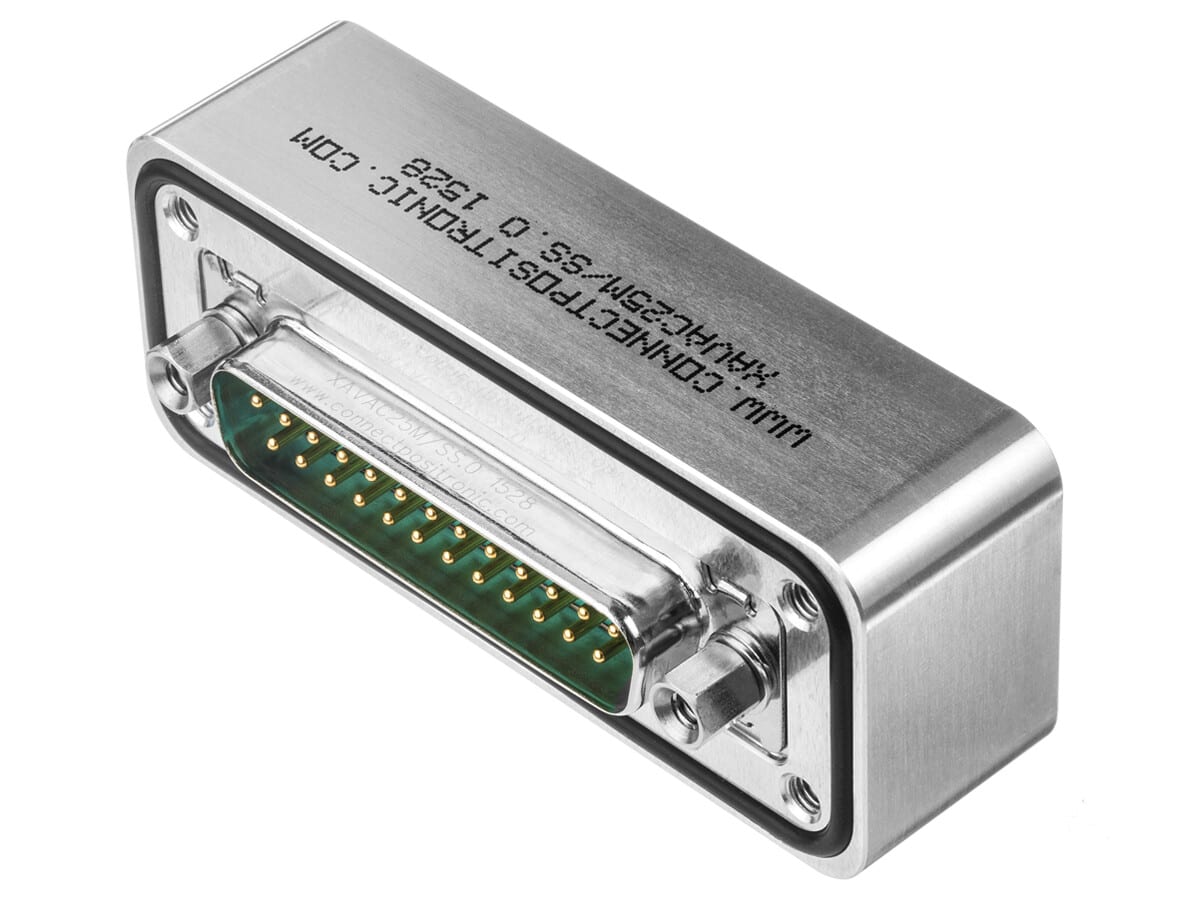
In modern high-tech industries, electrical isolation is a critical requirement for ensuring safety, precision, and long-term system stability. From aerospace systems to semiconductor fabrication, medical devices, and scientific instruments, maintaining controlled environments is essential. One of the most important components enabling this control is the hermetic feedthrough, which allows electrical signals to pass through sealed barriers without compromising environmental integrity. Advanced hermetic feedthrough designs are specifically engineered to ensure reliable electrical isolation while maintaining vacuum or pressure-tight sealing.
The Importance of Electrical Isolation in Engineering Systems
Electrical isolation is necessary in systems where different environments must remain completely separated while still allowing electrical connectivity. In vacuum chambers, high-voltage systems, or sensitive measurement equipment, even minimal leakage of current or environmental contamination can lead to system failure.
A hermetic feedthrough ensures that electrical conductors pass through a sealed boundary without creating conductive paths between internal and external environments. This prevents unwanted electrical interference, short circuits, or signal distortion.
In industries such as aerospace testing, semiconductor manufacturing, and laboratory instrumentation, this level of isolation is not optional-it is essential for operational accuracy and safety.
How Hermetic Feedthrough Ensures Reliable Electrical Isolation
A hermetic feedthrough is designed using a combination of conductive and insulating materials that are permanently bonded to create an airtight and electrically isolated passage. Typically, metal conductors are embedded within ceramic or glass insulating materials, which are then sealed into a metal housing using high-temperature brazing techniques.
This structure ensures two critical functions:
- Complete prevention of gas or moisture leakage
- Full electrical isolation between internal and external circuits
The result is a component that can transmit electrical signals, power, or data without compromising the sealed environment.
Reliable hermetic feedthrough performance depends heavily on manufacturing precision, material compatibility, and quality control processes.
PAVE Technology and Advanced Hermetic Feedthrough Engineering
In the field of high-reliability components, PAVE Technology is recognized for delivering advanced hermetic feedthrough solutions designed for demanding industrial and scientific applications. Their engineering expertise focuses on combining electrical performance with long-term environmental sealing.
PAVE Technology designs feedthrough systems that meet the strict requirements of aerospace, semiconductor, medical, and research industries. Their solutions are engineered to provide stable electrical isolation even under extreme pressure, temperature variation, and mechanical stress.
By using advanced ceramic-to-metal sealing technologies and precision manufacturing techniques, PAVE Technology ensures that every hermetic feedthrough delivers consistent electrical isolation and long-term durability.
Materials Used in Hermetic Feedthrough Design
The effectiveness of a hermetic feedthrough depends greatly on the materials used in its construction. Each material plays a specific role in ensuring electrical isolation and structural integrity.
Ceramic materials, such as alumina, are commonly used as insulators due to their excellent dielectric properties and thermal stability. Metals like stainless steel or titanium are used for structural support and external housing due to their strength and corrosion resistance.
Glass-to-metal seals are also widely used in specialized applications where ultra-tight sealing is required. These materials must be carefully matched to ensure thermal expansion compatibility and long-term stability.
PAVE Technology applies rigorous material selection and testing processes to ensure that each component performs reliably under demanding operational conditions.
Applications of Hermetic Feedthrough in Electrical Isolation Systems
The use of hermetic feedthrough technology spans a wide range of industries where electrical isolation and environmental sealing are critical.
In semiconductor manufacturing, feedthroughs are used in vacuum chambers for processes such as etching, deposition, and lithography. These environments require complete isolation to prevent contamination and maintain process accuracy.
In aerospace engineering, hermetic feedthrough systems are used in avionics, propulsion testing, and satellite equipment, where electrical signals must be transmitted without exposure to external atmospheric conditions.
Medical devices also rely on hermetic isolation in imaging systems, surgical tools, and implantable devices, where safety and signal integrity are essential.
Scientific research facilities use these components in electron microscopes, particle accelerators, and spectroscopy equipment, where precise measurements depend on stable electrical isolation.
Engineering Challenges in Hermetic Feedthrough Design
Designing a high-performance hermetic feedthrough for reliable electrical isolation involves several engineering challenges.
One of the primary challenges is ensuring perfect sealing while maintaining high electrical performance. Any microscopic defect in the sealing structure can compromise both isolation and vacuum integrity.
Another challenge is managing thermal expansion differences between materials. As systems heat and cool during operation, mechanical stress can develop at material interfaces, potentially leading to seal degradation over time.
Electrical noise and signal interference also present challenges, particularly in high-frequency or high-sensitivity applications. Engineers must carefully design shielding and grounding structures to maintain signal purity.
Manufacturers like PAVE Technology address these challenges using advanced simulation tools, precision machining, and multi-stage testing processes to ensure optimal performance.
Importance of Testing and Quality Assurance
In systems requiring electrical isolation, reliability is critical. A failure in a hermetic feedthrough can result in system malfunction, data corruption, or safety risks.
To ensure reliability, feedthroughs undergo rigorous testing procedures, including leak detection, high-voltage insulation testing, thermal cycling, and vibration resistance evaluation.
These tests simulate real-world conditions to ensure long-term stability and performance consistency. High-quality manufacturers such as PAVE Technology implement strict quality assurance protocols to guarantee that every component meets international standards.
Integration in Modern Electrical Systems
Modern electrical and electronic systems are becoming increasingly compact and complex. This has increased the demand for high-density hermetic feedthrough designs that can support multiple electrical channels within a single sealed interface.
Advanced designs now allow multiple conductors, signal types, and even hybrid electrical-optical connections to pass through a single feedthrough assembly. This improves system efficiency while reducing space requirements.
PAVE Technology continues to innovate in this area by developing compact, multi-functional feedthrough solutions that support next-generation engineering applications.
Future Trends in Hermetic Feedthrough Technology
The future of hermetic feedthrough design is being shaped by advancements in materials science, miniaturization, and smart system integration.
One major trend is the development of ultra-compact feedthroughs capable of supporting higher signal densities without compromising insulation performance. This is especially important in aerospace and semiconductor industries.
Another emerging trend is the integration of smart monitoring systems that can detect seal integrity and electrical performance in real time. This allows predictive maintenance and reduces system downtime.
New materials, including advanced ceramics and composite alloys, are also expected to improve durability, thermal resistance, and electrical performance.
Companies like PAVE Technology are expected to play a leading role in driving these innovations, ensuring that future hermetic feedthrough designs meet the growing demands of modern engineering systems.
Conclusion
The hermetic feedthrough is a vital component in systems requiring reliable electrical isolation and environmental sealing. Its ability to maintain signal integrity while preventing contamination makes it essential in industries such as aerospace, semiconductor manufacturing, medical technology, and scientific research.
Advanced design techniques, high-performance materials, and rigorous testing ensure that these components can withstand extreme conditions while maintaining long-term reliability.
