
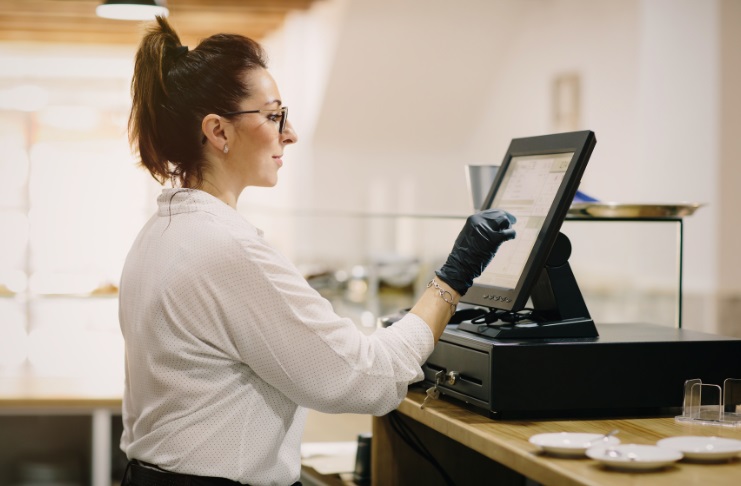
In today’s competitive restaurant landscape, data-driven decisions are crucial for success. Integrating your Point of Sale (POS) system with restaurant reporting software is no longer a luxury but a necessity. This integration streamlines operations, enhances data accuracy, and provides valuable insights into your restaurant’s performance, ultimately leading to increased efficiency and profitability. By connecting these two vital systems, you unlock a wealth of real-time information that can be leveraged to improve everything from inventory management to customer satisfaction.
Boosting Data Accuracy and Eliminating Manual Entry
One of the most significant advantages of POS integration is the elimination of manual data entry. Manually transferring sales data, inventory information, and employee hours from your POS to your reporting software is time-consuming, prone to errors, and can lead to inconsistencies in your financial reports. Integration automates this process, ensuring that data flows seamlessly between the two systems. This not only saves valuable time but also drastically reduces the risk of human error, leading to more accurate and reliable reporting. With real-time access to accurate data, you can make informed decisions based on a clear picture of your restaurant’s performance.
Enhancing Sales Tracking and Performance Analysis
Integrated POS and reporting software provides a comprehensive view of your restaurant’s sales performance. You can track sales by product, category, server, time of day, and location, giving you a granular understanding of what’s selling well and what’s not. This allows you to identify your best-selling items, optimize your menu, and make data-driven decisions about pricing and promotions. Furthermore, you can track individual server performance, identify top performers, and provide targeted training to improve employee efficiency. The ability to analyze sales data in real-time empowers you to respond quickly to changing market trends and customer preferences.
Streamlining Financial Reporting and Inventory Management
Seamless integration significantly simplifies financial reporting by providing a centralized platform for all your key financial data. You can generate profit and loss statements, balance sheets, and cash flow reports with ease, saving time and reducing the risk of errors. Moreover, the integration offers robust inventory management capabilities. By tracking inventory levels in real-time, you can prevent stockouts, reduce waste, and optimize your purchasing decisions. This ensures that you have the right ingredients on hand to meet customer demand, while also minimizing unnecessary inventory costs.
Choosing the Right Integration for Your Restaurant
Selecting the right POS system and reporting software that integrates seamlessly is crucial. Consider your restaurant’s specific needs and look for systems that offer robust integration capabilities. Many POS systems offer built-in reporting features, but if you require more advanced analytics and customized reporting, a dedicated restaurant reporting software may be the better choice. It’s also important to ensure that the integration is compatible with your existing technology infrastructure. By carefully evaluating your options and choosing the right combination of systems, you can unlock the full potential of POS and reporting software integration and transform your restaurant’s operations.
